

Meditation for Beginners at Home

This guide approaches meditation for beginners at home for someone starting home meditation. Begin by identifying what is not working in the room today. Start with five minutes rather than demanding thirty at once. Then consider how the idea performs in daily use rather than as a styled photograph or marketing promise.
Two questions can sharpen the decision: What would make this corner genuinely useful, and what would get in the way? Use the breath as an anchor, not a performance test. Planning around the main activity reduces the need to rearrange everything whenever you sit, read or move.
Start with the problem you want to solve
Start by naming one constraint: floor area, glare, the activity itself, or the people who share the room. Choose a supported chair if floor sitting is uncomfortable. That modest test often reveals whether a product is suitable beyond its online photograph. Check the arrangement in different lighting conditions.
Rather than compare a dozen products at once, begin with the job the space needs to do. Return on another day even when immediate calm does not arrive. Safe, functional changes generally stand up better to everyday life than a fast arrangement made only for its appearance.
Meditation, mood and evidence
NCCIH explains that meditation approaches differ and emotional outcomes are not universal. In this particular setting, Use the breath as an anchor, not a performance test. Research suggests potential benefits but study quality and outcomes vary. Keep those evidence boundaries in mind before promising a product outcome.
For meditation for beginners at home, it is particularly important to distinguish personal impressions from verified outcomes. Research suggests potential benefits but study quality and outcomes vary. Feeling more at ease in a space is a valid personal experience, but cannot automatically be turned into a universal clinical claim.
Four practical steps to try
Begin with the function
Start with five minutes rather than demanding thirty at once. Record a specific improvement rather than a broad impression that is difficult to compare later.
Adjust the details
Use the breath as an anchor, not a performance test. Consider natural variations in the material and the care requirements if the choice involves stone or salt.
Test the arrangement
Choose a supported chair if floor sitting is uncomfortable. Removing an unnecessary object may be more effective than buying another accessory; test both options.
Keep what works
Return on another day even when immediate calm does not arrive. Do not turn relaxation language into a medical claim unsupported by direct evidence or product information.
How to tell whether the setup fits your life
Meditation can feel different from day to day. Some sessions are restful; others bring awareness of worry or many thoughts. Neither experience automatically calls for longer practice. Keep the session brief, observe what happens and consider changing or stopping the technique if it increases distress. Persistent mental-health symptoms deserve appropriate professional care.
Compare two options: one that uses your existing furniture and lights, and one that adds a carefully chosen natural element. Start with five minutes rather than demanding thirty at once. If the added product has no meaningful role in everyday use, the simpler arrangement may be better. You can always reassess later.
Make a small personal experiment
With meditation for beginners at home, think about the person who will actually use the corner instead of the photograph alone. Choose a supported chair if floor sitting is uncomfortable. If a piece adds maintenance work or creates safety concerns, a simpler option may be more appropriate. Check real dimensions, materials and operating instructions before deciding.
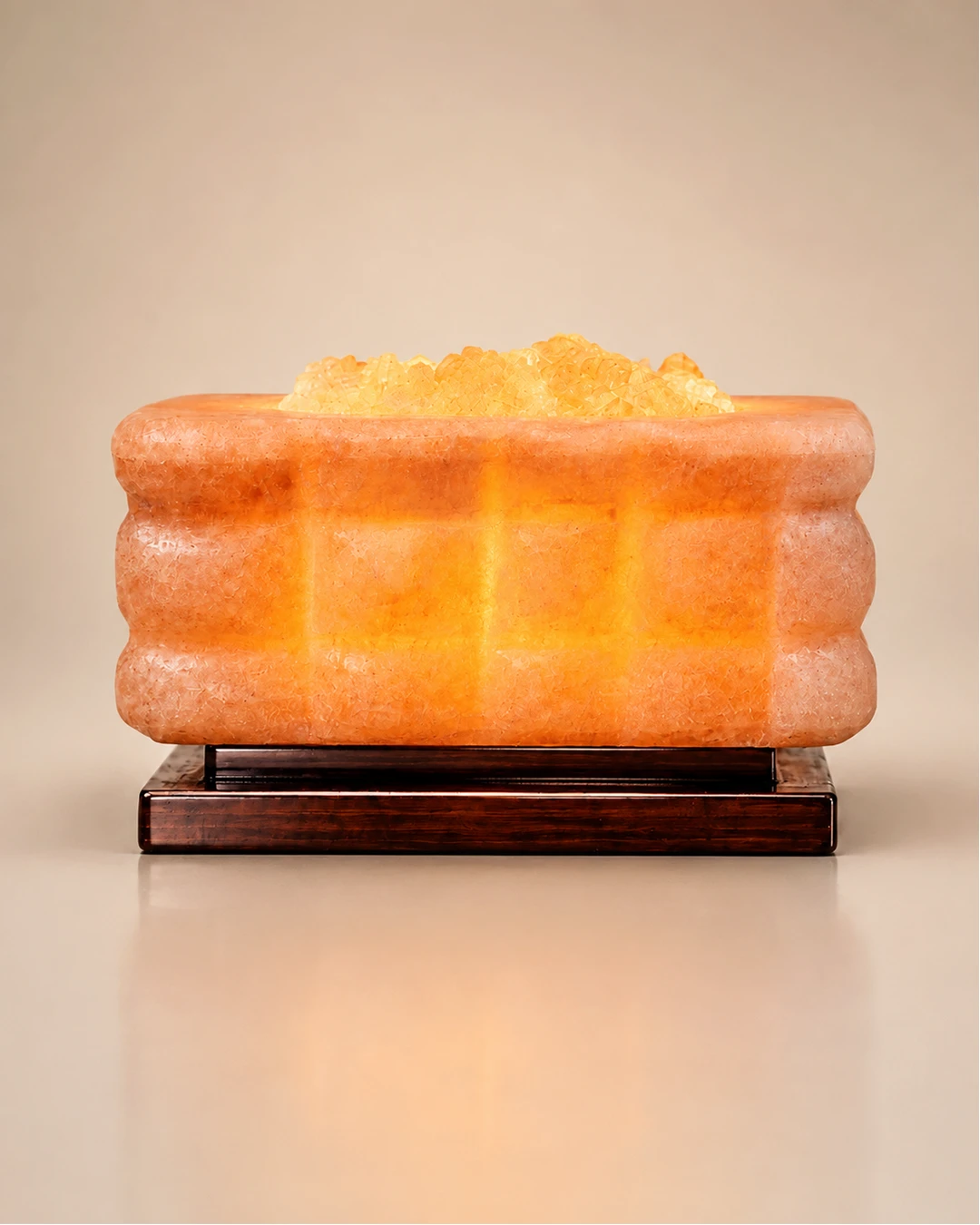
Rockura products can complement the decorative side of meditation for beginners at home, not substitute for a health intervention. To compare currently listed designs, browse the natural accent lighting. Check the current dimensions, photographs and care guidance. One practical test is this: Return on another day even when immediate calm does not arrive. That connects the article to relevant products without turning the content into an unsupported advertisement.
Common mistakes worth avoiding
A mistake to avoid is Replacing needed medical or psychological care with meditation alone. Consider how this assumption could affect cost, maintenance, movement or safety. An attractive product photograph cannot reveal every requirement of a home shared with family, pets or daily tasks.
The safety principle here is to keep visual appeal separate from correct use. Use the breath as an anchor, not a performance test. Avoid this mistake in particular: Replacing needed medical or psychological care with meditation alone. When an injury, sensitivity, electrical issue or uncertain material is involved, rely on proper product instructions or qualified advice rather than guessing.
A seven-day experiment instead of an expensive overhaul
On day one, note what is not working. Over the next two days focus on this action: Start with five minutes rather than demanding thirty at once. Later in the week test: Choose a supported chair if floor sitting is uncomfortable. At the end, evaluate whether the area is easier to use and less distracting. Avoid comparing it to an unrealistic social-media interior.
Before selecting a decorative object, return to your original purpose. Use the breath as an anchor, not a performance test. Keep a solution you can maintain and use safely. More accessories are not automatically necessary once the space feels coherent and works for everyday life.
Before making a final change, write down three observations: what you already do in the area, which task requires clear space or light, and what could be removed rather than purchased. For meditation for beginners at home, try this: Start with five minutes rather than demanding thirty at once. Compare the experience to the original arrangement, then apply another useful step: Return on another day even when immediate calm does not arrive. The point is to improve a specific everyday activity, not to manufacture a result that cannot be checked.
Frequently asked questions
Is meditation for beginners at home suitable for every home?
That depends on the function of the space. Start with five minutes rather than demanding thirty at once. Adjust the decision for room size, time of use and the people who share it rather than assuming one solution works everywhere.
Can a rock salt lamp clinically improve mental health?
The evidence boundary is important: Research suggests potential benefits but study quality and outcomes vary. Stone, scent and decorative lighting should not be marketed as established treatments for mental-health conditions. Persistent symptoms deserve appropriate care.
How can Rockura products fit a plan involving meditation for beginners at home?
Check the item’s actual specifications and start with a concrete question: Choose a supported chair if floor sitting is uncomfortable. That gives you a sound basis for choosing a suitable Rockura piece rather than relying on keyword labels or unsupported wellness promises.